Steph Curry Raises Concerns Over Growing Power of NBA Agents
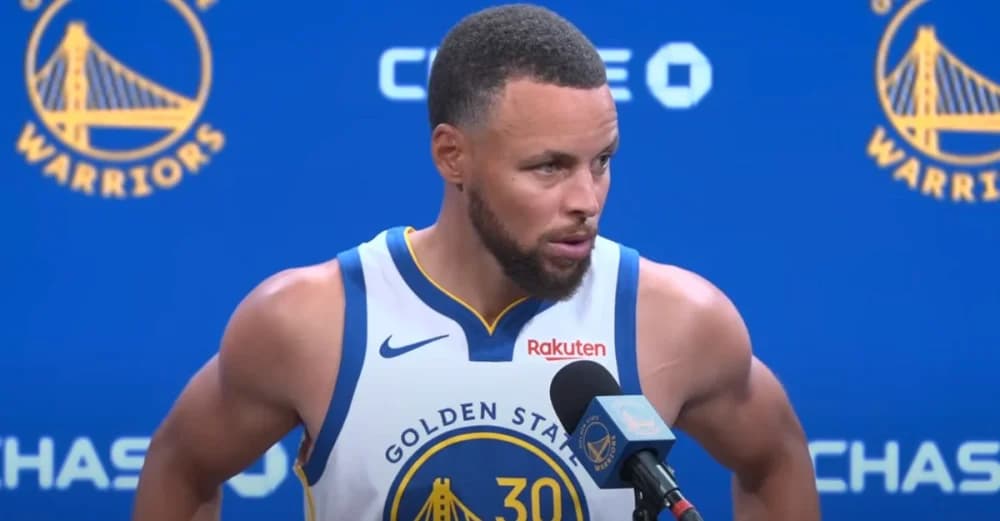
Curry Breaks Silence on a Shifting NBA Landscape
The NBA is witnessing a noticeable shift in how business is conducted off the court. Once private and behind closed doors, contract negotiations are now increasingly being played out in public, not by teams or players, but by their NBA agents. This evolving dynamic has not gone unnoticed by Golden State Warriors superstar Steph Curry, who recently spoke out on the matter amid Jonathan Kuminga’s protracted contract talks.
Curry’s comments reflect a growing unease among players and franchises. As agents become more vocal and visible, their influence extends beyond deal-making and into team culture, an influence that, according to Curry, could disrupt locker room chemistry and complicate relationships within organizations.
Kuminga’s Contract Saga Highlights the Issue
The offseason turned into a standoff for Jonathan Kuminga, the Warriors’ rising forward and former lottery pick. Caught between signing a qualifying offer or committing to a longer deal, Kuminga’s camp pushed for leverage, seeking a player option that would give him flexibility. The Warriors countered with a team option, aiming to retain control of future decisions.
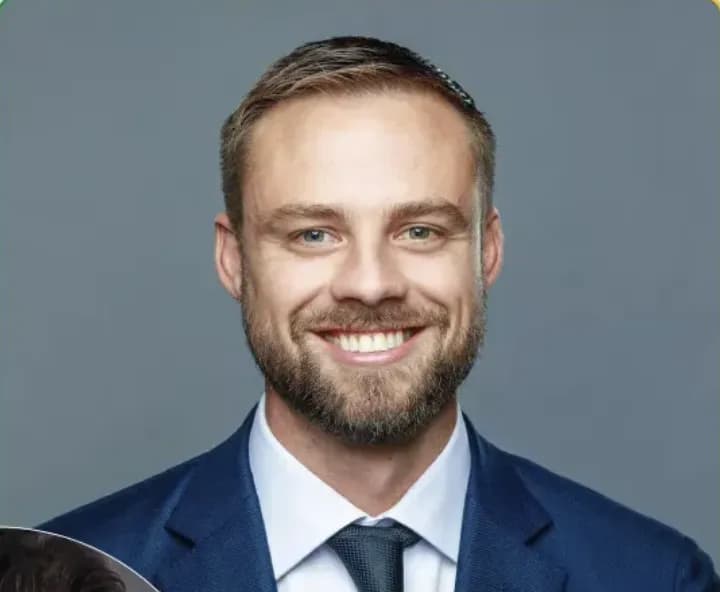
When talks began to stall, Kuminga’s agent, Aaron Turner, made a rare and bold move: he went public with the details. What was once strictly private became part of the public conversation. Although not entirely unprecedented, the tactic is still unusual and signals a growing trend among NBA agents who are now stepping into the spotlight as spokespersons for their clients.
Curry’s Message: “I Listen to My Teammate, Not His Agent”
Asked about the situation, Curry didn’t mince words. He emphasized that his loyalty and communication lie solely with his teammate — not with representatives speaking on their behalf.
“I only listen to my teammate,” Curry told reporters. “I don’t listen to agents or anybody speaking on behalf. I’ll hear that from Jonathan [Kuminga].”
Curry added that private conversations with Kuminga told a very different story from what was circulating in public.
“He’ll be committed when he gets here,” Curry said. “From man to man, he didn’t want to be in the way of anything. Let that situation play out; he can speak for himself.”
His remarks hint at a deeper concern: when agents drive public narratives, they risk creating misunderstandings that can ripple through a team and even alter how players view one another.
A Deal Reached, but Questions Linger
Despite the tension, Kuminga and the Warriors ultimately reached an agreement on a two-year contract, though it lacked the player option his side had hoped for. While the team can now shift its focus to the upcoming season, Turner’s decision to air negotiation details publicly has left a lingering spotlight on the situation.
And Golden State isn’t alone. Across the league, the Philadelphia 76ers are facing a similar challenge with restricted free agent Quentin Grimes. His agent, David Bauman, also went public with negotiation frustrations, adding another chapter to this growing trend.
Public Negotiations: A Trend That Could Reshape the League
The increasing visibility of agents in the media marks a fundamental change in how NBA contract talks are conducted. For some players, public advocacy might feel empowering. For others and for players like Curry, it introduces noise that could distract from the game and add unnecessary tension between players, agents, and front offices.
This new reality also forces teams to manage negotiations under heightened public scrutiny. It raises larger questions about trust, transparency, and how these evolving dynamics might affect team unity over time.
Conclusion
Steph Curry’s words go beyond Kuminga’s situation. They highlight a broader issue shaping the future of the NBA, one where agents hold increasing sway not just in boardrooms but in public opinion. As this trend continues to grow, teams and players will need to adapt to a new era of negotiations where public narratives can be as influential as private discussions.
Whether the league embraces this change or pushes back remains uncertain. What is clear is that the power dynamics surrounding player representation are evolving, and the ripple effects could redefine how teams operate for years to come.