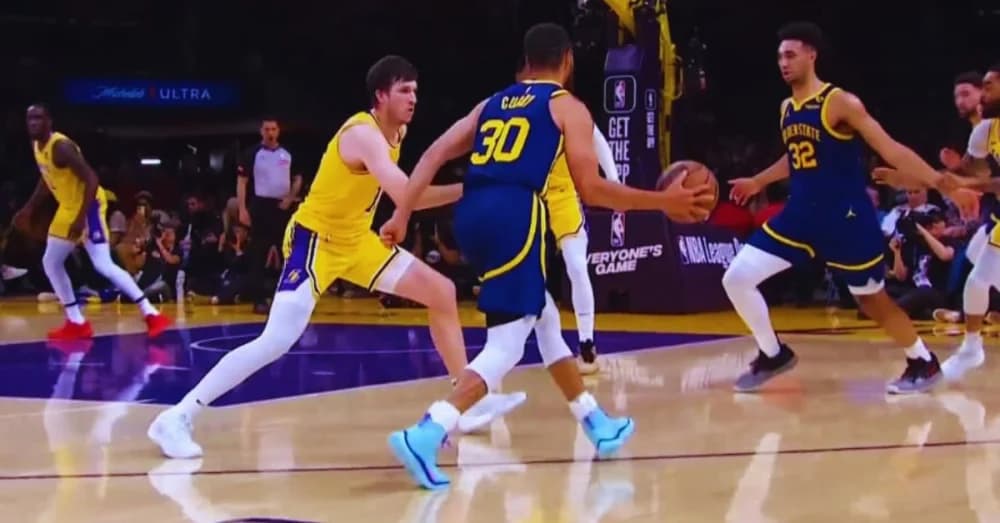
Former Dallas Mavericks forward Pete Mickeal, a seasoned basketball mind, declares a changing of the guard: “The Golden State era is over.” He notes a seismic shift in the NBA landscape towards towering titans like Nikola Jokic and Karl-Anthony Towns. As the game evolves, so do the criteria for success, with analytics dictating strategy more than ever. Teams, like the Timberwolves, prioritize length, assembling lineups reminiscent of mythical forests.
It seems like a thing of the past when Steph Curry led a dynasty without a center, as opponents find it difficult to match his special combination of talent and elegance. With superstars like Kevin Durant and LeBron James redefining the rules for anyone above 6-foot-8, the focus is now more on height and wingspan.
In this era of NBA basketball, where 7-foot-4 guards roam the court, size matters more than ever. Mickeal warns aspiring players: fall short of your listed height, and you risk being sidelined. The success of teams like the Timberwolves underscores this shift, where even the “small guy” stands at a towering 6-foot-5.
Even so, the NCAA continues to be a stronghold of diversity, where athletes of all sizes succeed, despite the tendency toward larger players. The game is still charming in this version, suitable for players who are both vertically challenged and gifted. The NCAA continues to remain a pillar of basketball’s rich history, while the NBA transforms into a show right out of Jurassic Park.
In this evolving landscape, the reign of the “Little Man” may be waning, but their impact on the game will endure as a testament to skill triumphing over stature. As giants roam the courts, players like Kyrie, Steph, and Brunson embody the resilience of the underdog, defying extinction with every dribble and shot.